Date: February 8, 2026
Location: Ardaaga Center, Kismayo
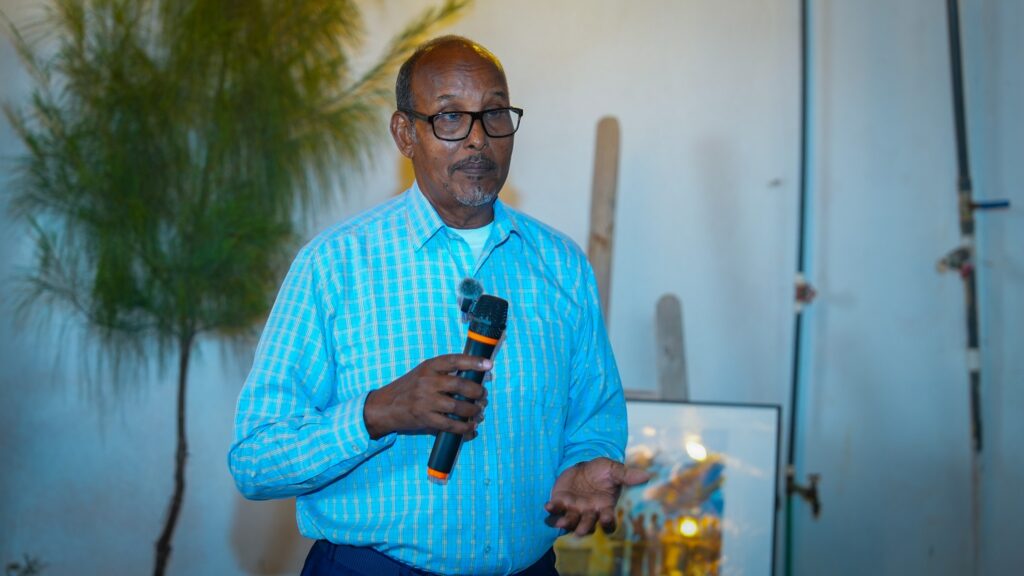
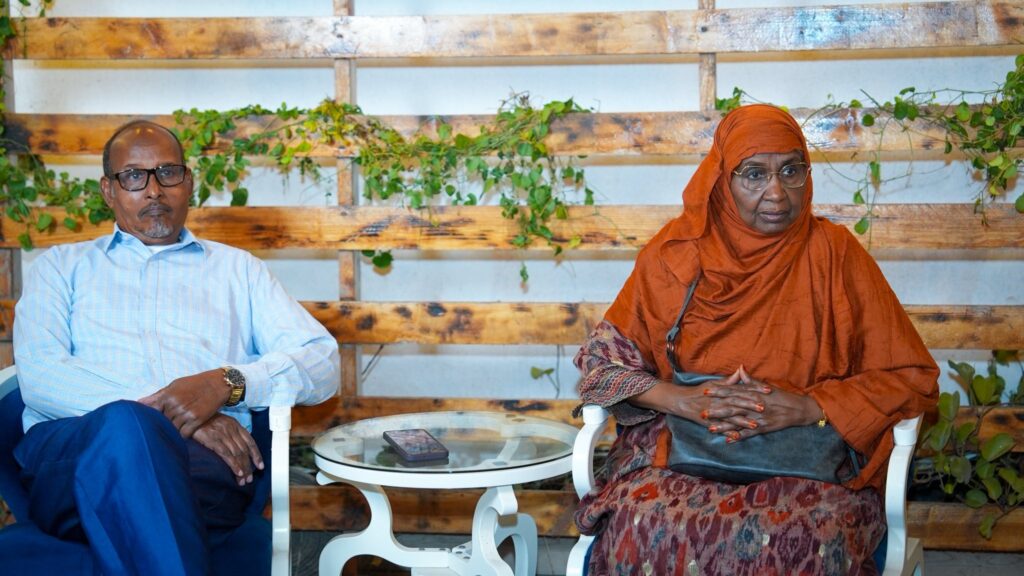
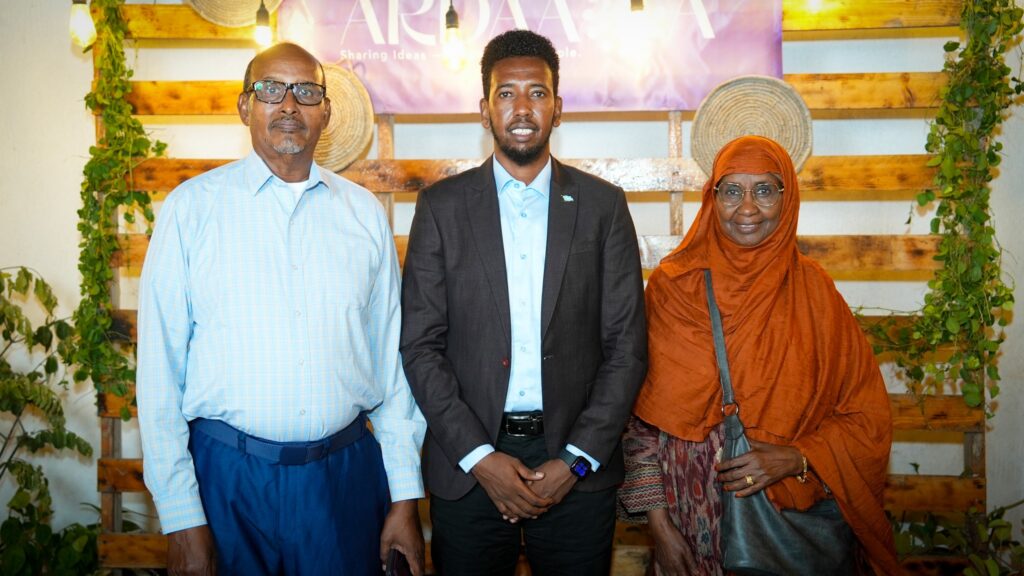
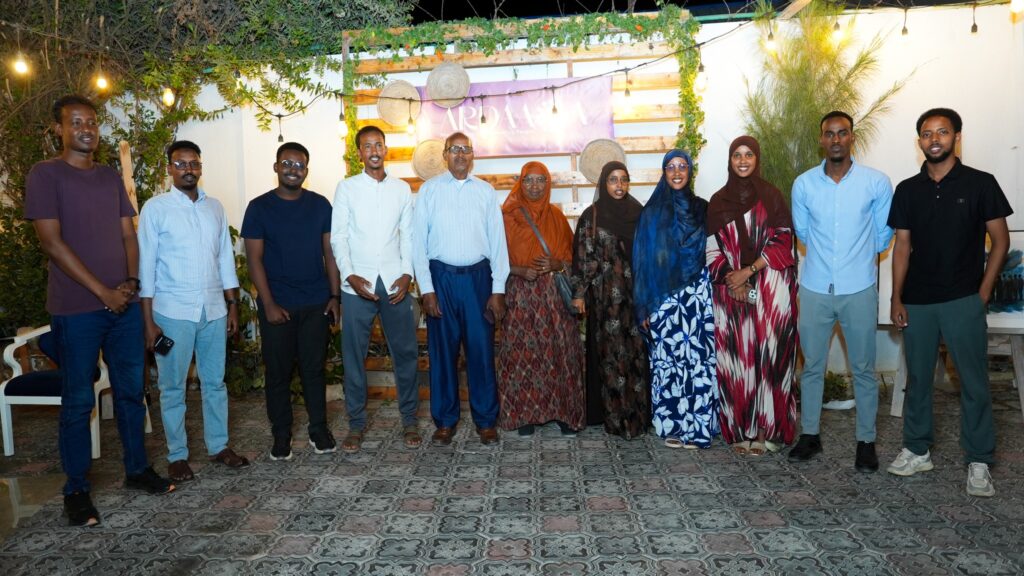
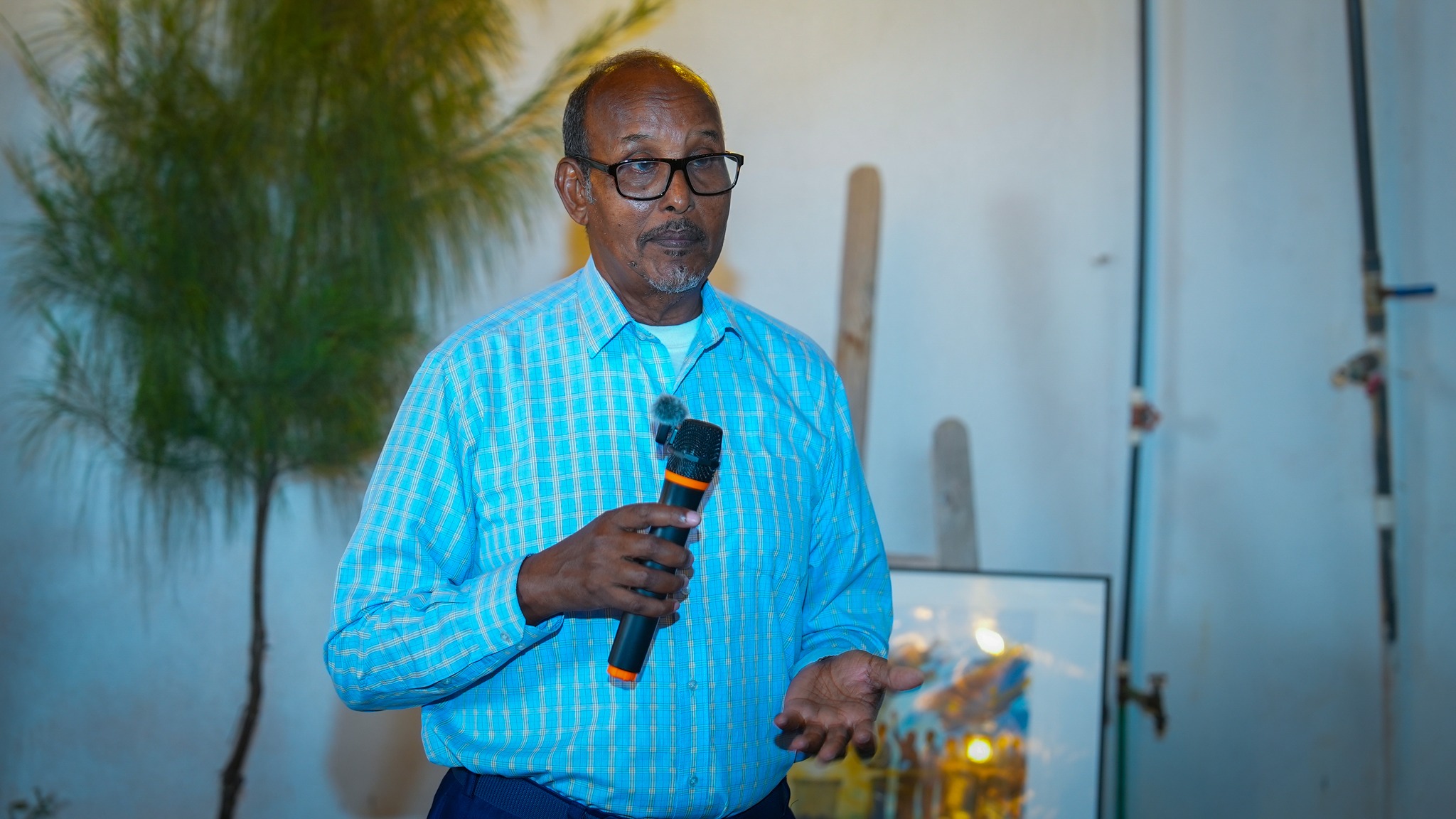
Ardaaga Organisation hosted a public program focused on sustainable solutions to global food insecurity, delivered by Professor Aadan Guuleed Shabeel, Vice Chairman of the Somali National University and one of its founding members.
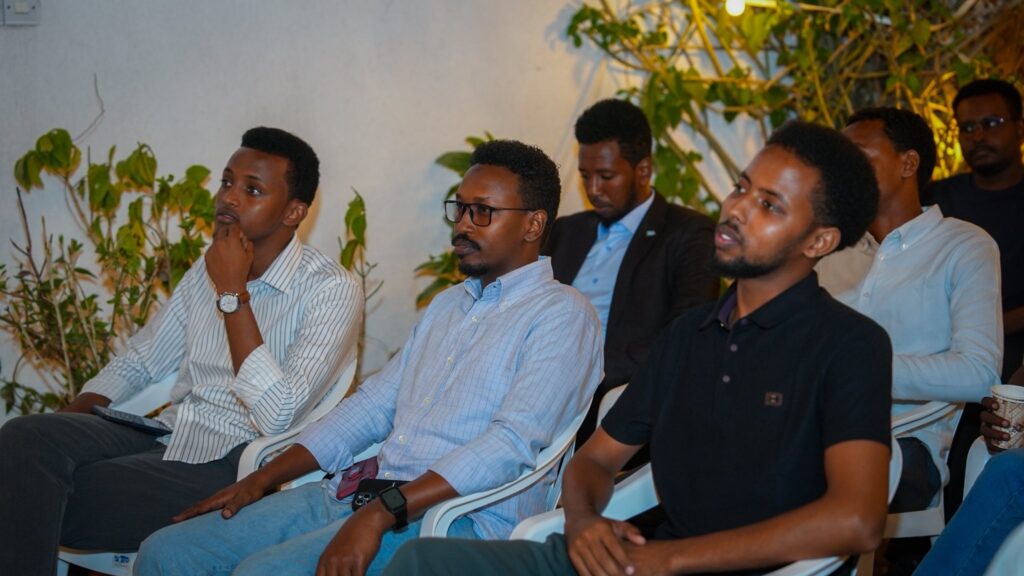
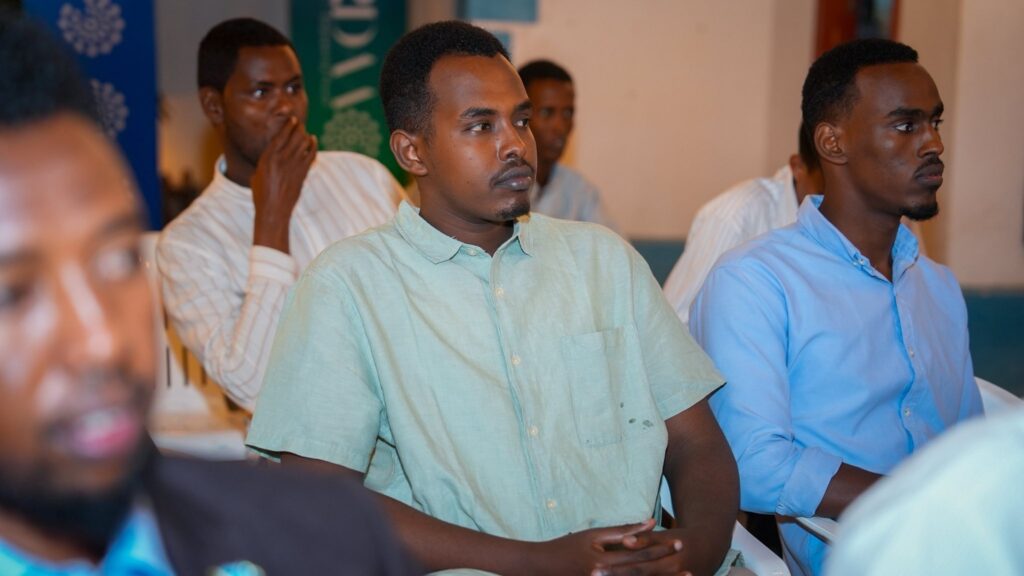
The program brought together intellectuals, youth, and community members to reflect on the root causes of food insecurity and explore long-term, locally driven solutions relevant to Somalia and the wider world.
Key Themes of the Lecture
Professor Shabeel delivered an in-depth analysis of Somalia’s vast natural resources and highlighted how these resources remain largely underutilized. He emphasized that sustainable solutions to food insecurity lie in self-reliance, local production, and strategic investment, rather than continued dependence on foreign aid.
He stressed the urgent need for Somalis to:
- Move beyond reliance on external humanitarian assistance
- Strengthen local agricultural production
- Invest in domestic food systems
- Embrace collective responsibility and self-sufficiency
Major Points Highlighted
During the lecture, Professor Shabeel outlined several critical issues and opportunities:
- Somalia relies heavily on imported goods, with nearly all basic food items sourced from abroad.
- Over 80% of imports are directly or indirectly linked to wheat, with import costs that could instead be invested in strengthening local agriculture.
- The country possesses fertile land and sufficient water resources, but poor governance, high production costs, and political challenges limit productivity.
- Historical examples were shared, including rice farming in Mugambo and the Mareerey sugar factory, demonstrating Somalia’s past agricultural capacity.
- Professor Shabeel also shared personal experiences and experimental farming initiatives involving rice, wheat, and sunflower crops—some of which yielded successful results, reinforcing the feasibility of domestic food production.
- He emphasized that while challenges exist, sustainable local production is achievable through investment, collaboration, and sustained effort.
- The ongoing global crisis, particularly the war between Russia and Ukraine, two major wheat producers—was cited as a reminder of the risks of import dependence and a potential opportunity for countries capable of local production.
Conclusion and Call to Action
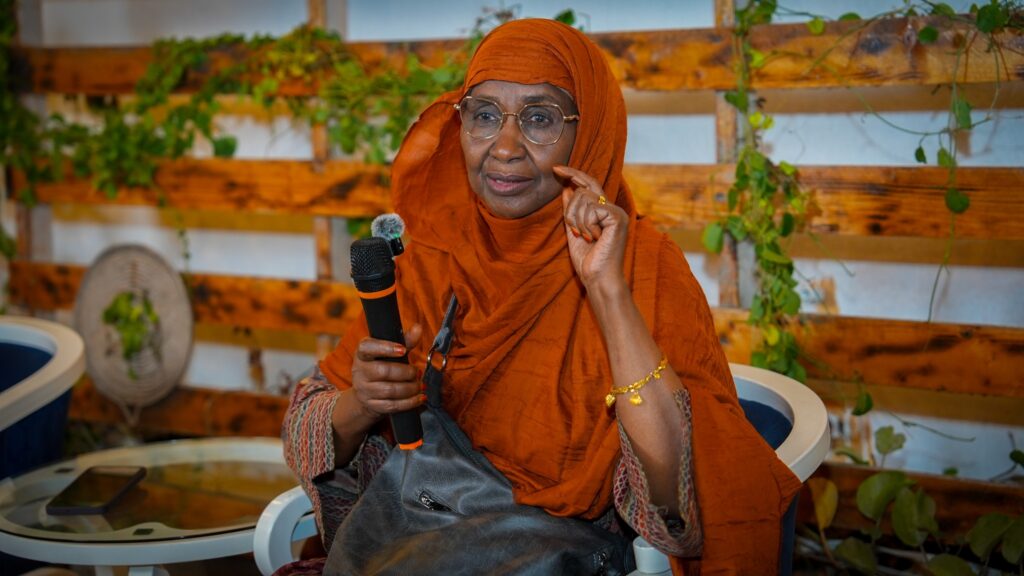
The program concluded with an interactive question-and-answer session, followed by a strong call to action directed at the wider community, especially youth and professionals, to prioritize self-reliance, invest in agriculture, and work collectively toward sustainable food security.
The Ardaaga Organization reaffirmed its commitment to hosting knowledge-based programs that contribute to long-term development, resilience, and economic independence for Somali society.